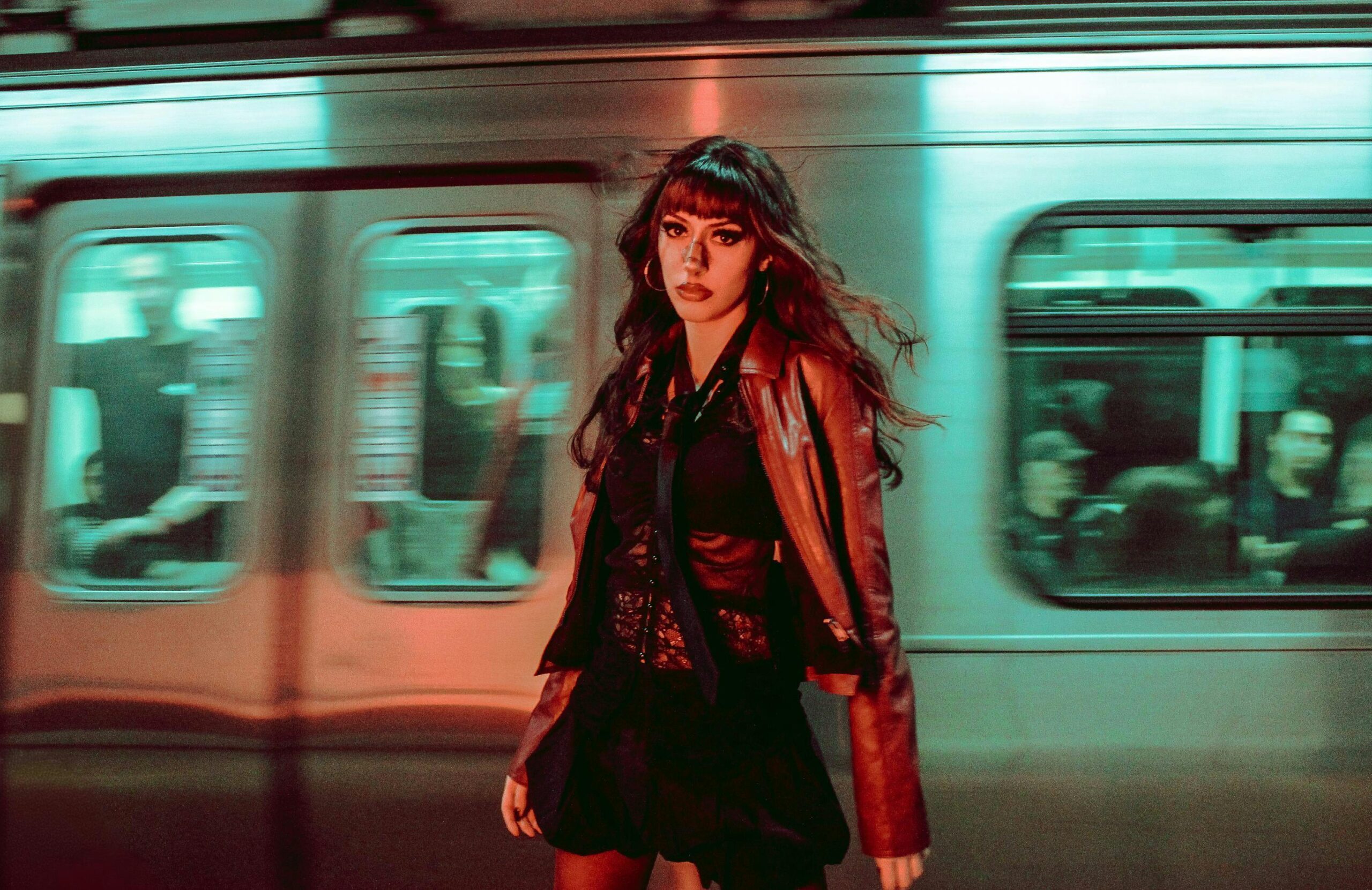
User-generated photos on Shein have revolutionized how shoppers evaluate products online, creating a powerful bridge between digital catalogs and real-world expectations while transforming purchasing decisions.

🛍️ The Revolutionary Power of Real Customer Photography
The landscape of online fashion retail has undergone a dramatic transformation in recent years, with user-generated content emerging as the cornerstone of digital shopping experiences. Shein, the global fast-fashion giant, has masterfully harnessed this trend by implementing a robust system that encourages customers to share authentic photos of their purchases. This approach has fundamentally altered how consumers interact with online catalogs and make purchasing decisions.
Traditional e-commerce relied heavily on professional product photography, which often created unrealistic expectations. Models with specific body types, professional lighting, and extensive photo editing created a polished but sometimes misleading representation of products. The disconnect between these idealized images and reality frequently resulted in disappointed customers, high return rates, and eroded trust in online shopping platforms.
Shein recognized this critical gap and developed an innovative solution that puts real customers at the center of the shopping experience. By incentivizing buyers to upload photos of themselves wearing purchased items, the platform created an extensive library of authentic visual references that showcase products on diverse body types, in various lighting conditions, and styled in countless creative ways.
Building Trust Through Transparency and Authenticity
The psychology behind user-generated photos is straightforward yet powerful: people trust people. When potential buyers see real customers wearing the same dress, jacket, or accessory they’re considering, it creates an immediate connection and provides valuable context that professional photography cannot replicate. This transparency addresses one of online shopping’s most persistent challenges—the inability to touch, feel, or try on products before purchase.
Customer photos on Shein typically include detailed reviews alongside images, creating a comprehensive picture of product quality, fit, fabric texture, and color accuracy. Shoppers can filter reviews to find customers with similar measurements, providing personalized insights that directly address their specific concerns. This level of detailed information dramatically reduces uncertainty and empowers consumers to make confident purchasing decisions.
The authenticity factor extends beyond simple trust. User photos capture the inevitable imperfections and realistic representations that professional shoots deliberately minimize. Wrinkles, slight color variations, and how fabric drapes on everyday bodies provide honest insights that actually increase buyer confidence rather than diminishing it. This counterintuitive phenomenon demonstrates that consumers value truth over perfection when making purchase decisions.
The Economics of Enhanced Shopping Confidence 💰
From Shein’s business perspective, encouraging user-generated photos creates significant economic advantages. The platform rewards customers with points, discounts, or other incentives for submitting photos and reviews, creating a cost-effective content generation strategy. Rather than investing millions in professional photoshoots for every product variation, Shein leverages its massive customer base to create diverse, authentic content at scale.
This approach yields measurable results. Products with multiple customer photos typically show higher conversion rates, lower return rates, and increased customer satisfaction scores. When shoppers can accurately assess what they’re buying through real-world examples, they’re more likely to complete purchases and keep the items they receive. This virtuous cycle benefits both the retailer and consumers.
The cost savings extend beyond photography. Reduced return rates translate directly to lower logistics expenses, less environmental waste, and improved profit margins. Additionally, satisfied customers who receive products matching their expectations become repeat buyers and brand advocates, driving organic growth through word-of-mouth recommendations and social media sharing.
Diversity and Representation: Shopping for Every Body Type
One of the most impactful aspects of Shein’s user photo system is the unprecedented diversity it showcases. Unlike traditional fashion marketing that historically featured limited body types and demographics, customer photos represent the actual diversity of Shein’s global customer base. Shoppers can find photos from people of various sizes, heights, skin tones, ages, and personal styles.
This representation matters tremendously for underserved demographics who have long struggled to find relatable fashion imagery. A plus-size shopper can search specifically for reviews from customers with similar measurements. Someone with a petite frame can see how garments look on people their height. This personalized preview capability was virtually impossible in traditional retail environments and represents a genuine democratization of fashion accessibility.
The platform’s filtering capabilities enhance this benefit further. Users can sort reviews by height range, weight category, or specific measurements, creating a customized browsing experience that addresses their unique needs. This functionality transforms generic product pages into personalized shopping assistants that anticipate and answer specific questions before they’re even asked.
🤳 Social Proof in the Digital Age
The concept of social proof—the psychological phenomenon where people assume the actions of others reflect correct behavior—plays a crucial role in Shein’s user photo strategy. When potential buyers see hundreds or thousands of customers who have purchased and photographed an item, it creates powerful validation that the product is worthy of consideration.
This effect multiplies when photos show creative styling options and genuine satisfaction. Customer photos often capture moments of joy—someone showing off their new outfit at a party, wearing it confidently in everyday settings, or expressing delight in written reviews. These authentic emotional connections resonate far more deeply than professional marketing campaigns ever could.
The quantity of user photos also signals product popularity and reliability. Items with extensive photographic documentation implicitly communicate that many customers found the product satisfactory enough to take time sharing their experience. This passive recommendation system operates continuously, influencing purchasing decisions around the clock across global markets.
Quality Assessment Beyond Professional Standards
User photos provide unexpected insights into product quality that professional photography deliberately obscures. Real customers capture fabric transparency in natural lighting, show how materials wrinkle or stretch after wear, and demonstrate durability through photos taken after multiple uses. These honest assessments help set realistic expectations and actually enhance perceived value.
Close-up shots in customer photos reveal stitching quality, button placement, zipper functionality, and other construction details that matter for longevity. Shoppers concerned about quality can examine these user-submitted details before purchasing, making informed decisions based on comprehensive visual evidence rather than marketing claims alone.
The temporal aspect adds another dimension. Some dedicated reviewers update their assessments after weeks or months of use, showing how products hold up over time. These follow-up photos provide invaluable information about fade resistance, shape retention, and overall durability—factors impossible to assess from initial professional photographs.
The Gamification of Customer Participation 🎮
Shein’s incentive system for user photos incorporates gamification elements that encourage ongoing participation. Customers earn points for photo submissions, gain status levels based on contribution volume, and can unlock exclusive benefits through consistent engagement. This approach transforms the review process from a optional afterthought into an engaging activity that benefits all participants.
The point system creates tangible rewards for time invested. Customers can accumulate credits toward future purchases, access exclusive discounts, or receive early notification about new product launches. This mutually beneficial arrangement ensures a steady stream of fresh content while rewarding loyal customers who contribute to the community.
Recognition features further enhance participation. Top reviewers receive badges, feature placements, or special community status that acknowledges their contributions. This social recognition taps into fundamental human desires for acknowledgment and community belonging, creating emotional investment beyond simple transactional rewards.
Technical Innovation Behind Seamless Photo Integration
The infrastructure supporting Shein’s user photo system represents significant technical achievement. The platform must process, store, and display millions of images while maintaining fast load times and intuitive navigation. Advanced algorithms organize photos by relevance, quality, and helpfulness, ensuring the most useful content appears prominently.
Image recognition technology helps maintain quality standards by filtering inappropriate content and organizing photos by detected attributes. Machine learning systems can identify similar body types, color matches, and styling approaches, creating connections between photos that enhance the browsing experience without requiring manual curation.
The mobile-first design acknowledges that most users both upload and browse photos via smartphones. The interface streamlines photo submission with simple upload processes, optional measurement additions, and straightforward rating systems. This reduced friction encourages participation by making contributions quick and effortless.
🌍 Cultural Impact and Global Fashion Democracy
Shein’s user photo system has implications extending far beyond individual purchasing decisions. It represents a democratization of fashion influence, where everyday consumers shape trends rather than exclusively following industry directives. Street style captured in customer photos often influences product development, creating feedback loops between consumers and designers.
This shift challenges traditional fashion hierarchies. Geographic location, economic status, and industry connections no longer exclusively determine whose style gets visibility. A creative teenager in rural Indonesia can inspire shoppers worldwide through innovative styling captured in user photos. This global exchange of fashion ideas creates unprecedented cross-cultural dialogue and inspiration.
The environmental implications deserve consideration as well. By reducing return rates through accurate product representation, user photos contribute to decreased shipping emissions and waste. When customers receive items matching their expectations, they’re more likely to keep and wear purchases rather than discarding them after brief use.
Navigating Challenges and Maintaining Authenticity
Despite numerous benefits, user-generated photo systems face legitimate challenges. Concerns about image manipulation, paid reviews, and fake testimonials threaten the authenticity that makes these systems valuable. Shein must continuously refine verification processes to maintain credibility and protect shoppers from misleading information.
Privacy considerations also require careful attention. Users must understand how their images will be used, who can access them, and what control they retain over submissions. Clear policies and transparent practices help maintain trust while encouraging participation from privacy-conscious consumers.
The platform must balance quality control with authentic representation. Overly aggressive filtering might remove genuinely helpful but imperfect photos, while insufficient moderation could allow low-quality or inappropriate content. Finding this equilibrium requires ongoing adjustment and community feedback.
The Future Evolution of Visual Commerce 🚀
Looking forward, user-generated photos represent just the beginning of visual commerce evolution. Augmented reality integration could allow shoppers to virtually “try on” items based on customer photos matching their body type. Advanced sizing algorithms might analyze thousands of user photos to provide personalized fit recommendations with unprecedented accuracy.
Video content represents the next frontier. Short clips showing movement, fabric drape, and real-world wear provide even richer information than static photos. As bandwidth improves and platforms optimize video delivery, expect user-generated video reviews to become standard features in online fashion retail.
Artificial intelligence will likely play an expanding role in connecting shoppers with relevant user photos. Imagine systems that automatically surface reviews from customers with similar body measurements, style preferences, or usage scenarios. These personalized curation systems could make browsing thousands of photos effortless and highly relevant.
🎯 Transformative Impact on Shopping Behavior
The psychological shift created by accessible user photos cannot be overstated. Shoppers approach online fashion retail with increased confidence, knowing they can thoroughly research products through real-world examples before committing. This empowerment reduces anxiety associated with online shopping and encourages exploration of new styles and brands.
The community aspect fosters connection beyond transactions. Shoppers engage with reviewers, ask follow-up questions, and share styling tips. This social dimension transforms solitary online shopping into a collaborative experience that mirrors the social aspects of traditional retail while adding global scale and diversity.
Return rates tell the story quantitatively. Products with extensive user photos typically show significantly lower return rates compared to those with only professional images. This metric demonstrates that accurate representation through authentic photography directly impacts customer satisfaction and business sustainability.

Lessons for the Broader E-Commerce Landscape
Shein’s success with user-generated photos offers valuable insights for all online retailers. Authenticity resonates with modern consumers who have grown skeptical of polished marketing. Platforms that embrace transparency and empower customers to share honest experiences build deeper trust and loyalty than those relying exclusively on controlled messaging.
The economic case for user-generated content is compelling. Initial investment in platform infrastructure and incentive systems pays ongoing dividends through reduced marketing costs, lower return rates, and organic community growth. This model scales efficiently as the customer base expands, with each new buyer potentially contributing to the content library.
Most importantly, user photos acknowledge a fundamental truth: customers are the best advocates for products they genuinely love. By facilitating and amplifying authentic customer voices, retailers create marketing that feels less like advertising and more like trusted recommendations from friends. This subtle but profound shift defines the future of successful online retail.
The transformation brought by user-generated photography extends beyond Shein to influence expectations across all e-commerce sectors. Today’s shoppers increasingly demand authentic visual representation, detailed peer reviews, and transparent quality assessment. Platforms that embrace this evolution thrive, while those clinging to traditional approaches risk obsolescence in an increasingly transparent marketplace where buyer confidence depends on seeing products through the honest lens of real customer experiences.